Friday, October 25, 2013

HOW TO SURVIVE A PLAGUE

I'll keep it short for this week's post, in part because you have no reading assignment in Crafting Truth. I would love for you to watch How to Survive a Plague on Netflix Instant, mostly because I'm curious to know what you think of this film, particularly about the way it uses archival footage to tell its incredibly potent and ultimately life-affirming story.

Write whatever you'd like this week, but please remember to support your assertions by referencing specific moments, scenes or sequences from the film. And if, in your reply, you can address concepts of Authenticity, Authority, Evidence, Responsibility and how they relate to your understanding and appreciation of How to Survive a Plague - all the better.

Good luck, and please remember to post your response both here and on Moodle by no later than Wednesday morning at 9am!

Friday, October 18, 2013

TABLOID


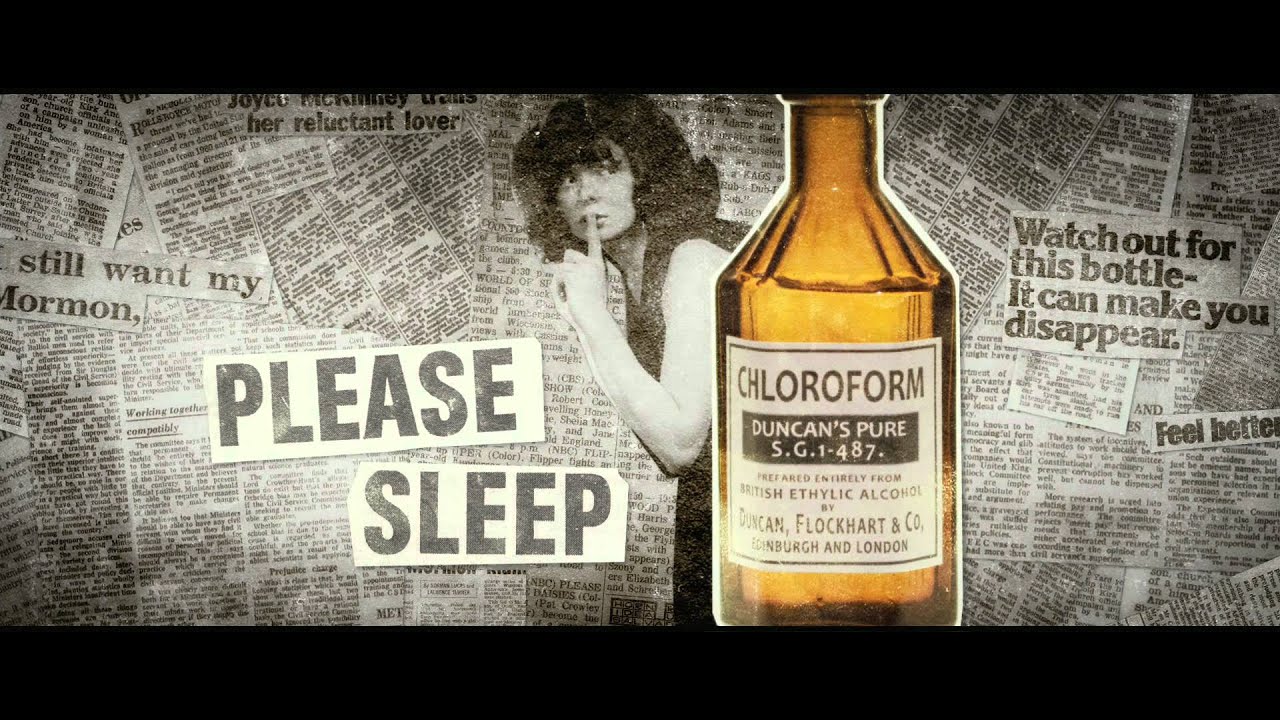
We're jumping ahead a bit in Crafting Truth this week to Chapter 9: The Profilmic, which deals with the creative treatment of reality and the ways in which visual display can be used to generate meaning. In honor of this chapter, please watch the documentary Tabloid on Netflix Instant and consider how its style and sensibility, as well as its main nonfictional performer - contributes to the meaning of the film.

Errol Morris is one of the most influential filmmakers working today. Before his death, Roger Ebert wrote, "After twenty years of reviewing films, I haven't found another filmmaker who intrigues me more...Errol Morris is like a magician, and as great a filmmaker as Hitchcock or Fellini.”

Write whatever you'd like, but please be sure to address your feelings about the way Tabloid utilizes the aesthetics of filmmaking to tell its story (Morris himself says Tabloid is in many ways a story about the way stories are told). Is the film authentic? Was the filmmaker responsible to its subject and main character?  Would you have made it differently? If so, how?

Finally, do you think the film's main subject Joyce McKinney was right to file a lawsuit against Morris (article here) and travel around the country attending several screenings in protest (even more amazing article here)? Needless to say, this story is a hoot, Morris is a genius, and I look forward to discussing both with you in more detail when we next meet.

In the meantime, I hope you enjoy Tabloid and can't wait to read your thoughts about the film and its aesthetics - by no later than 9 am on Wednesday of course.

Friday, October 11, 2013

ROOM 237

This week's reading in Crafting Truth (Chapter 6: Dramatic, Poetic and Essay Documentaries) looks at two types of non-fiction films: those that use dramatic conventions to tell their stories, and those that, as the book states, "aim at developing experimental or poetic ways of arranging story information."

Some documentaries - called "essays" - contradict the assumption that the world can be known in a definitive way. The "essay" film shifts the focus from the end product of the investigative effort to the process by which knowledge is created. To speak metaphorically, it is the movement, not the destination, that matters the most.

Consider this as you watch Rodney Ascher's fascinating 2012 film Room 237 on Netflix Instant. What specifically about the story - poetically or otherwise - resonated with you? Is the film dramatic? Is it poetic? One thing's for sure: Ascher's film draws attention not only to the various theories and hidden meanings in Stanley Kubrick's The Shining but goes further to reveal the subjectivity of the documentary maker and the subjective nature of knowledge and understanding itself.

I look forward to reading your answers to those questions, along with the rest of your comments, here (and on Moodle) by Wednesday morning at 9 am.

Friday, October 4, 2013

PARK AVENUE: MONEY, POWER AND THE AMERICAN DREAM

The Crafting Truth chapter you're reading this week (titled "Argument") states that "Documentaries have an overall structure that helps determine the way the socioshistorical world is transposed on the screen. And it is because of this structure that we understand the 'messages' in the film."

For this week's post, please watch Park Avenue: Money, Power and the American Dream on Netflix Instant and let me know what you think. In particular, let me know what you think the film's argument is, and please provide details about how the director Alex Gibney structures that argument. What is the message in the film? Is Park Avenue authentic? Does it present its evidence with authority?

Have fun watching and writing - and make sure your comments are posted by no later than Wednesday at 9 am!


Friday, September 27, 2013

THE WILD AND WONDERFUL WHITES OF WEST VIRGINIA


The subjects of the Crafting Truth chapters you read last week and are reading this one focus on Authority and Responsibility and how those terms apply to documentary making. With that in mind, please watch the polarizing and provocative The Wild and Wonderful Whites of West Virginia on Netflix Instant and tell me as specifically as possible what you think the director Julien Nitzberg's approach to the material is? Is he being Responsible in his portrayal of the White family? If so, how? If not, how not? And how does Nitzberg (a friend of mine from college who I might try and get to Skype in to our class) show Authority in this film - or does he? Please answer these questions and remember to provide an example of two from the film itself to support your claims.

Additionally, I'd like to know what (or whose) interest you think this film serves. What impact might it have on those watching it (like you)? Does it take into account the welfare of the people represented? If so, how? And finally, is the film Authentic or not? If so, how? If not, why not?

I look forward to hearing everything you have to say about this, especially in terms of Responsibility, Evidence, Authority and Authenticity - by no later than 9 am on Wednesday morning, of course.

Friday, September 20, 2013

THE HOUSE I LIVE IN


The beginning of Chapter 3 in Crafting Truth (which you're reading this week) states that "Authority forms part of the complicated ways by which documentaries represent nonfictional reality."

For this week's post, please watch Andrew Jarecki's 2012 documentary The House I Live In on Netflix Instant and let me know what you think, especially in relation to how successfully (or unsuccessfully) the film has been authored. In particular, does the director's first-person approach make the story he's telling more convincing? Does the director's personalizing the narrative provide a fresh spin on a pressing social issue or do you feel it ultimately overwhelms the importance of the crisis he's trying to examine?

I look forward to reading how you sort this film out - what you liked, what you didn't like, and what it meant to you. Write whatever you'd like, just be sure to address the concept of authority and how it impacted your feelings about this piece of work.

And remember, your in-depth, inspired comments about The House I Live In need to appear on this blog by no later than 9 am on Wednesday morning.

Have fun!

Saturday, September 14, 2013

THE IMPOSTER


For this week's post - and as a follow-up to our conversation in class about truth, authenticity and evidence - please watch The Imposter on Instant Netflix. I encourage you to write whatever you'd like in your response, but please address the following questions in the body of your comments:
  • What visual and aural techniques does the director Bart Layton utilize to draw the audience into the story he's telling? Explain what those techniques are, and let us know whether or not you thought they were effective and why.
  • Some of the most compelling films we watch, be they fiction or non-fiction, allow us to form our own impressions of the truth of actual events. That said, tell us what you think happened to that missing boy Nicholas Barkley. And why do you think his sister Carey recognized Frédéric Bourdin as her brother and continued to do so even after she was told he wasn't?
  • How did the director combine fictionalized elements and recreate interviews with "real" interviews and actual footage that was recorded over thirty years ago? Was it seamless or did the interplay draw attention to itself? Please explain.
  • Furthermore, was the juxtaposition of "real" and recreated images compelling to you? Were there any flaws in the approach that took you out of the story? Or, considering this film is largely about lying and deception, was the director just letting "form follow function" by using the aesthetics of his craft to challenge the viewer to always think about the variety of ways we as filmmakers try to capture "the truth"?
  • Finally, can something that's been recreated still be "authentic"? If so, how? If not, why not?
Feel free to do some research on your own to inform your opinion about what you saw. For example, you can read the New York Times review of the film here and a really interesting feature about it here. 

Remember to write your response in a separate document and then cut and paste it into the comments section of this post. Sometimes longer comments get cut off here, in which case you might have to post your thoughts in two parts. Be sure your post shows up here no later than 9 am on Wednesday morning - and have fun putting your response together! I really look forward to reading what you write!